Bunny Haven Rescue
  • Sign In
  • Create Account

  • My Account
  • Signed in as:

  • filler@godaddy.com


  • My Account
  • Sign out

  • Home
  • Meet the Buns
    • Adoptable Buns
    • Adoption Information
  • Events
  • Education
  • Contact Us
  • More
    • Home
    • Meet the Buns
      • Adoptable Buns
      • Adoption Information
    • Events
    • Education
    • Contact Us
Bunny Haven Rescue

Signed in as:

filler@godaddy.com

  • Home
  • Meet the Buns
    • Adoptable Buns
    • Adoption Information
  • Events
  • Education
  • Contact Us

Account


  • My Account
  • Sign out


  • Sign In
  • My Account

bunny education

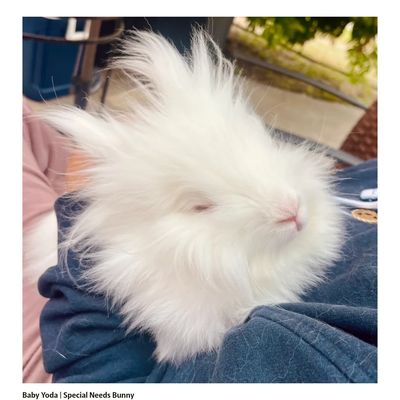
Baby Yoda

Why Bunny Grooming Matters

Regular grooming is essential for a rabbit’s health and happiness. It helps prevent fur matting, reduces the risk of hairballs (which bunnies can’t vomit), and keeps their skin clean and free of parasites. Grooming also gives you a chance to check for any signs of illness or injury—plus, it’s a great way to bond with your bunny! 

Nail clipping is an essential part of rabbit care

Prevents Injury: Overgrown nails can snag on carpets, cages, or toys, leading to painful breaks or even dislocated toes.

Supports Mobility: Long nails can affect how a rabbit walks or sits, potentially causing posture issues or sore hocks.

Avoids Health Risks: If nails aren’t trimmed regularly, the blood vessel inside (called the quick) grows longer, making future trims more difficult and riskier.

Improves Comfort: Regular trimming helps rabbits feel more comfortable and reduces the chance of scratching themselves or their caretakers.

Bunny Gland Cleaning

*If you do not have experience cleaning Bunny glands, please consult a professional. 


Prevents Blockages and Infections: Rabbits have scent glands near their genital area that produce a waxy substance used for communication and marking territory. If not cleaned regularly, this substance can build up, harden, and lead to painful blockages or infections.
Reduces Odor: Accumulated secretions can cause a strong, unpleasant smell. Regular cleaning helps keep your bunny fresh and comfortable.
Supports Hygiene and Comfort: Especially in older or less active rabbits who may not groom themselves as effectively, cleaning these glands helps maintain hygiene and prevents skin irritation.
Easy to Include in Routine Care: You can check and clean the glands during regular nail trims (every 4–6 weeks), making it a simple addition to your bunny’s care schedule.

Bunny Pens vs Cages

More Space to Move
Pens provide significantly more room for rabbits to stretch, hop, and explore—essential for their physical health and happiness
Reduced Stress and Aggression
Rabbits confined to small cages often develop territorial behaviors and stress. Pens allow them to feel freer and more relaxed, reducing cage aggression and boredom
Customizable and Flexible
Pens can be shaped to fit your space and adjusted as needed. You can add toys, hideouts, and litter boxes without crowding the area
Better Visibility and Interaction
Pens let rabbits see and engage with their surroundings, helping them feel more included in household life and less isolated
Easier to Clean and Maintain
Wire pens are easier to clean than traditional cages and allow for better airflow and hygiene
Cost-Effective
Pens often cost the same or less than cages, while offering more space and flexibility

Found a Bunny? Here’s What You Should Know

Domestic rabbits are not the same as wild rabbits. They cannot survive on their own outdoors and need human care. If you find a domesticated bunny that seems lost or abandoned, here’s how to help: 

What You Should Do

Contain the Bunny Safely

Use a pet carrier, laundry basket, or cardboard box with air holes.

Approach slowly and calmly—rabbits can be easily frightened.


Bring Them Indoors

Keep them in a quiet, safe space away from pets and loud noises. A clean, enclosed bathtub will also work if you don't have another safe space. 

Make sure the bathtub is clean. Bunnies do not need baths. Please keep them away from water except for water for drinking. 

Provide fresh water and timothy hay (or leafy greens if hay isn’t available).

DO NOT FEED THE BUNNY CARROTS. 


Check for Signs of Ownership

Look for a collar, tattoo in the ear, or signs of recent grooming.

Ask neighbors or post in local lost pet groups (Nextdoor, Facebook, etc.).


Contact a Rabbit Rescue

Reach out to a local rabbit rescue (like Bunny Haven!).

Not all shelters are equipped for rabbits. Please call ahead to confirm, but a rabbit rescue is preferable as they work diligently to rehab and rehome. 


Monitor Their Health
Look for signs of injury, dehydration, or illness.

If urgent, take them to a rabbit-savvy vet.

What You Should NOT Do

Do NOT release them back outside. Domestic rabbits are prey animals and cannot fend for themselves.

Do NOT feed them random vegetables or fruit. Some foods are harmful (e.g., iceberg lettuce, sugary treats, carrots).

Do NOT assume they’re wild. Wild rabbits are usually smaller, brown/gray, and avoid humans.

Do NOT delay seeking help. Rabbits can decline quickly without proper care.


Copyright © 2025 Bunny Haven Rescue - All Rights Reserved.

Bunny Haven Rescue is a 501(c)(3) nonprofit organization 

EIN: 33-1486624

Powered by

  • Home
  • Mission Statement
  • Privacy Policy
  • FAQs

This website uses cookies.

We use cookies to analyze website traffic and optimize your website experience. By accepting our use of cookies, your data will be aggregated with all other user data.

Accept